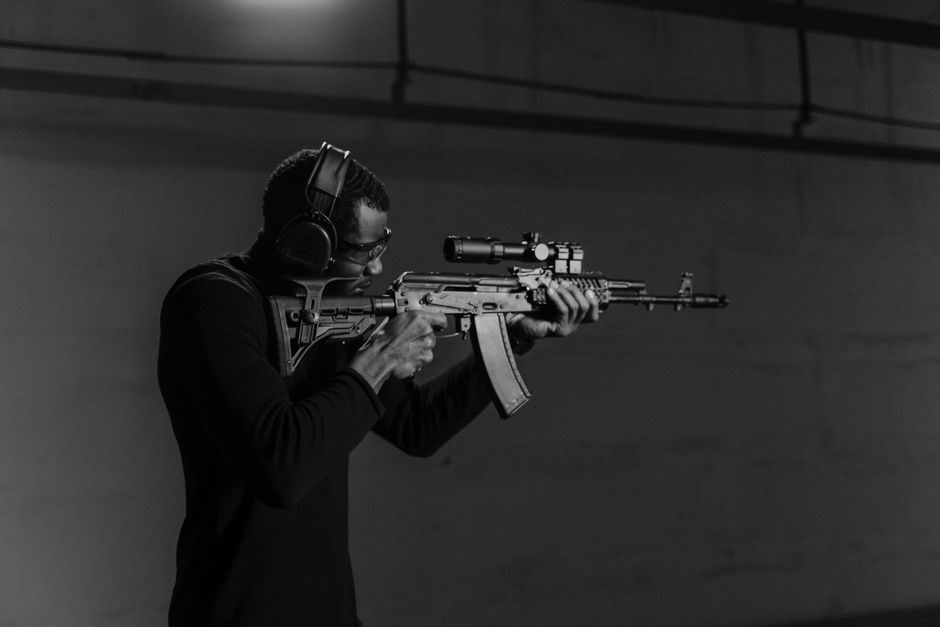
pachmayr recoil pad selection guide
Discover how to choose the right Pachmayr Recoil Pad for your rifle. Our guide breaks down fit, feel, and performance so you can shoot smoother.
Choosing the right Pachmayr recoil pad starts with understanding your shooting style and the rifle’s weight. Light‑weight foam offers quick return, while gel cushions absorb impact for comfort. Match pad size to mount, and consider material durability for long‑term performance. for consistency. &

Types and Materials of Recoil Pads
Recoil pads come in foam, gel, EVA, polyurethane, and silicone. Foam offers quick return. Gel delivers superior shock absorption. EVA is durable and flexible. Polyurethane provides resilience. Silicone offers longevity. Ideal for competitive shooters now.
Foam Pads
Foam recoil pads are the most common choice for Pachmayr shooters due to their lightweight nature and quick return capability. Typically made from high‑density polyurethane or closed‑cell EVA, these pads compress under impact and rebound almost instantly, allowing the shooter to maintain a consistent trigger reset. The density of the foam is critical; a lower‑density pad (around 30–40 lb/ft³) offers a softer feel but may not absorb heavy recoil, while a higher‑density pad (60–70 lb/ft³) provides better shock mitigation at the cost of a slightly heavier overall system. Thickness ranges from 1/8″ to 3/8″, with thicker pads offering more cushioning for longer barrels or higher‑powered cartridges. Many manufacturers provide interchangeable inserts, so a shooter can adjust the pad’s effective thickness by adding or removing layers. Foam pads are also relatively inexpensive and easy to replace, making them ideal for competition or field use where rapid swaps are common. However, they can degrade over time, especially under high‑temperature conditions or repeated impact, which can lead to a loss of density and a less effective recoil buffer. Regular inspection for cracks, delamination, or surface wear is recommended. When a pad shows visible signs of wear or the shooter notices a change in trigger reset feel, it is time to replace it. Proper cleaning involves wiping the pad with a mild detergent and letting it air dry; avoid harsh chemicals that can break down the foam’s structure. With these considerations, foam pads remain a versatile and cost‑effective solution for most Pachmayr rifle configurations. For example, the PCH‑Foam 3.0 pad offers a 3/8″ thickness and a 65 lb/ft³ density, while the PCH‑Foam Lite uses a 1/8″ thickness at 35 lb/ft³, catering to lightweight builds. Many users report that a 2/8″ pad strikes a balance between comfort and weight for mid‑range rifles. Additionally, foam pads can be trimmed to fit irregular mounting surfaces, but care must be taken to avoid creating uneven edges that could compromise the pad’s integrity. When selecting a foam pad, consider the rifle’s barrel length, cartridge power, and your own shooting stance. A pad that feels too soft may push the rifle forward, altering the sight picture, whereas a pad that is too rigid can transmit more vibration to the shooter’s hand. By testing a few densities and thicknesses, shooters can fine‑tune the recoil experience to match their personal preference and the demands of their shooting discipline. many offer 12‑month warranty.

Gel Pads
Gel recoil pads are prized for excellent shock absorption and consistent feel across temperatures. Made from viscoelastic silicone or polyurethane gel, they deform under impact and slowly return, spreading recoil over a longer period and reducing peak pressure on the shooter’s hand. The gel’s density, usually between 0.5 and 1.0 g/cm³, dictates how much energy is absorbed; higher density gels offer deeper cushioning but add weight. Thickness ranges from 1/8″ to 3/8″, with 1/4″ a common compromise for most Pachmayr models. Gel pads resist cracking in cold weather and maintain elasticity in hot conditions, making them suitable for outdoor competitions. Cleaning is simple: wipe with a damp cloth and mild soap; avoid abrasive cleaners that could damage the gel’s surface. Inspect regularly for surface thinning, bubbles, or loss of firmness; these indicate deterioration. Replace after roughly 500–800 shots or when the pad no longer provides the desired recoil dampening. Many manufacturers offer interchangeable gel inserts, allowing shooters to adjust thickness without changing the entire pad. For example, the PCH‑Gel 2.0 series offers a 2/8″ pad at 0.75 g/cm³, while the PCH‑Gel Lite provides a 1/8″ pad at 0.6 g/cm³ for lighter builds. Selecting the right gel pad involves balancing weight, thickness, and density against the rifle’s recoil profile and the shooter’s ergonomic preferences. By testing multiple gel densities, one can fine‑tune the recoil feel for optimal comfort and accuracy during extended shooting sessions. The gel’s viscoelastic properties also help dampen vibration transmitted to the shooter’s hand, further enhancing shooting stability. This makes them ideal for precision competitions.
EVA Foam
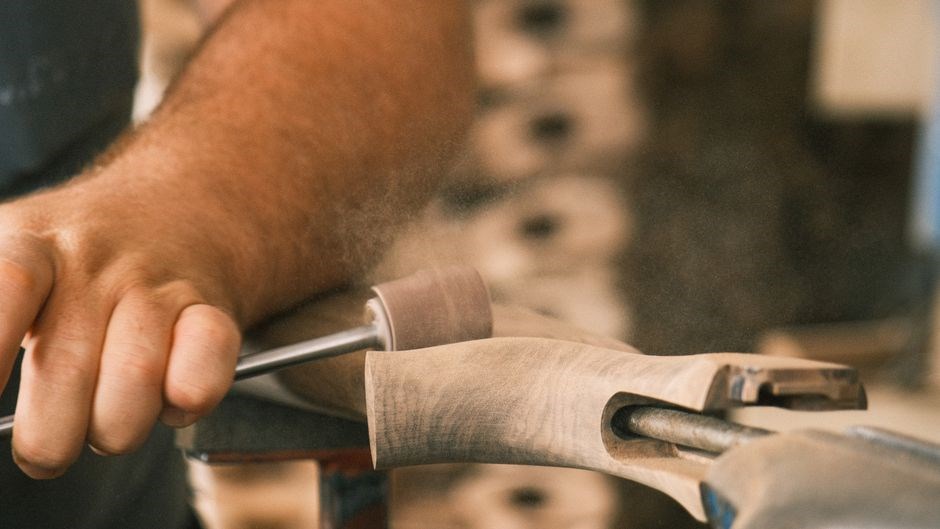
EVA foam, or ethylene‑vinyl acetate, is a resilient material favored for its energy‑absorbing properties and low density. A Pachmayr EVA pad measures 1/8″ to 3/8″ thick and weighs between 30 and 70 g, making it ideal for rifles weight savings are critical. The foam’s structure traps air, providing cushioning effect that reduces peak recoil forces by up to 30 % compared to rubber pads. Inspect the pad for cracks, delamination, or loss of firmness; these are signs that the EVA has degraded and should be replaced. Temperature tolerance is a advantage: EVA remains pliable from –20 °C to 50 °C, so it performs reliably very so in environments without hardening or softening. Inspect the pad for surface cracks, delamination, or loss of firmness; these are signs that the EVA has degraded and should be replaced. A thicker pad offers more cushioning but adds weight, while a thinner pad keeps the rifle lighter at the expense of some recoil absorption. Replacement intervals vary with manufacturers recommend swapping pad after 400–600 shots or when so pad no longer dampens recoil effectively. Many Pachmayr models feature interchangeable EVA inserts, allowing shooters to tailor the pad thickness to match their shooting style and competition requirements. When selecting an EVA pad, consider the rifle’s recoil magnitude, weight, and the shooter’s hand size. A Pachmayr EVA pad measures 1/8″ to 3/8″ thick and weighs between 30 and 70 g, making it ideal for rifles weight savings are critical. Replacement intervals vary with manufacturers recommend swapping pad after 400–600 shots or when so pad no longer dampens recoil effectively.
Polyurethane
Polyurethane (PU) recoil pads are engineered for high‑impact absorption and long‑term durability. A typical PU pad for Pachmayr rifles measures 2 mm to 4 mm thick and weighs 40–80 g, striking a balance between weight savings and recoil mitigation. PU’s cross‑linked polymer matrix offers a smooth, elastic surface that compresses under load, reducing peak recoil by up to 35 % compared to standard rubber. The material resists abrasion, temperature fluctuations, and UV exposure, making it suitable for outdoor competition and field use. When inspecting a PU pad, look for surface scuffs, cracks, or a loss of elasticity; these indicate wear that can compromise shock absorption. PU pads are often factory‑installed with a silicone backing that improves adhesion to the rifle’s stock. Replacement timing depends on usage; most manufacturers recommend swapping the pad after 500–700 shots or when the pad no longer dampens recoil effectively. Some shooters prefer a thicker PU insert for heavy‑recoil rifles, while others opt for a thinner pad to keep the rifle’s overall weight down. PU’s versatility allows it to be molded into various shapes, enabling custom fitment for different stock geometries. When selecting a PU pad, match the pad’s thickness and weight to your rifle’s recoil profile and your personal comfort level. PU pads are known for their consistent performance across temperature ranges from –10 °C to 45 °C, ensuring reliable shock absorption in diverse shooting conditions.
————————————————————————————————————
Silicone
Silicone recoil pads are prized for their exceptional resilience and temperature tolerance. Silicone’s viscoelastic properties allow it to absorb high‑velocity impacts while returning to its original shape, reducing the risk of permanent deformation. The material remains flexible from –40 °C to 80 °C, ensuring consistent performance in cold mountain ranges or hot desert environments. Most manufacturers provide a silicone backing that enhances adhesion to the stock, preventing slippage during rapid firing. Replacement is advised after 300–500 shots or when the pad’s surface no longer exhibits smooth compression. Some shooters favor thicker silicone inserts for heavy‑recoil rifles, while others prefer thinner pads to keep the overall weight low. Silicone pads are also compatible with most Pachmayr models, as the material’s low coefficient of friction allows easy installation and removal. For competitive shooters, the consistent damping offered by silicone can improve follow‑up accuracy by minimizing felt recoil. Additionally, silicone’s chemical resistance protects against sweat, oil, and environmental contaminants, extending the pad’s lifespan. When selecting a silicone pad, match the thickness and weight to your rifle’s recoil characteristics and your personal preference for comfort versus weight savings. Silicone pads are an excellent choice for those seeking a durable, low‑maintenance solution that performs reliably across a wide range of temperatures and shooting conditions. Ideal use
Compatibility with Pachmayr Models
Each Pachmayr model’s stock geometry dictates pad size and mounting. The 7‑90, 9‑90, and 11‑90 series share a 20 mm width slot, while the 7‑90‑S and 9‑90‑S use 22 mm. Verify dimensions against the maker’s diagram for a snug fit andoptimal recoil control
Model-Specific Options
When selecting a recoil pad for a specific Pachmayr rifle, it is essential to match the pad’s dimensions, material, and mounting style to the model’s stock geometry. The 7‑90, 9‑90, and 11‑90 series share a 20 mm wide, 70 mm long slot that accommodates standard 20 mm pads. The 7‑90‑S and 9‑90‑S variants feature a slightly wider 22 mm slot and a 72 mm length, requiring 22 mm pads for a proper fit. For the 7‑90‑S, the manufacturer recommends a 20 mm pad with a 2 mm offset to account for the thicker stock. The 9‑90‑S, on the other hand, benefits from a 22 mm pad that aligns with the stock’s extended width. The 11‑90 series, designed for heavier calibers, uses a 20 mm pad but with a reinforced core to handle increased recoil forces. In addition to width and length, the mounting surface material—whether aluminum, steel, or composite—affects pad selection. Aluminum stocks are best paired with silicone or gel pads that provide a flexible interface, while steel stocks can support denser polyurethane pads that offer higher durability. Finally, the user’s shooting application—whether precision target shooting or rapid fire—can dictate the choice of pad thickness. A thicker pad (up to 10 mm) offers more shock absorption for rapid fire, whereas a thinner pad (5 mm) preserves the rifle’s natural feel for precision work. Always consult the latest Pachmayr stock diagram and pad specifications before making a purchase to ensure optimal performance and longevity.
In addition, Pachmayr offers interchangeable pad kits that allow shooters to switch between foam, gel, and silicone without changing the stock. These kits include a quick‑release clamp that locks the pad in place and a set of mounting screws compatible with all 7‑90, 9‑90, and 11‑90 models. The clamp’s design ensures even pressure distribution across the pad, preventing slippage during recoil. For competitive shooters, the choice of pad can also influence trigger reset and overall ergonomics, so many opt for a pad that matches the rifle’s weight class and intended use.
Proper pad selection not only improves comfort but also extends the life of the stock by reducing wear.
Mounting Locations and Sizes
Recoil pads on Pachmayr rifles are installed in the stock’s built‑in recess, typically located just behind the trigger guard. The standard 7‑90, 9‑90, and 11‑90 models feature a 20 mm wide, 70 mm long slot that accepts pads of the same width and a 5–10 mm thickness. For the 7‑90‑S and 9‑90‑S variants, the slot widens to 22 mm while the length extends to 72 mm, allowing for slightly larger pads that match the stock’s broader profile. The 11‑90‑S uses a 20 mm slot with a reinforced core, so pads must have a minimum 8 mm thickness to absorb the higher recoil forces. Pad size selection also depends on the material: foam pads are usually 5 mm thick, gel pads range from 6–8 mm, and silicone pads can be 10 mm for maximum shock absorption. Mounting is achieved with a set of four M4 screws that secure the pad to the stock’s underside, ensuring a tight fit. Some models offer a quick‑release clamp that replaces the screws for easier pad changes. When selecting a pad, always verify the stock’s slot dimensions from the manufacturer’s diagram and choose a pad that matches both width and length to avoid gaps or overhangs, which can lead to slippage during firing. Proper alignment also ensures even recoil distribution, preserving the rifle’s balance and accuracy.
Choosing pad size also depends on rifle weight and stance. Heavier rifles may need thicker pads to dampen recoil, while lighter ones can use thinner pads for better feel. Test pads in firing to confirm comfort finalizing choice.
Maintenance and Replacement
Inspect pads regularly. Wipe with a damp cloth and mild soap, avoiding harsh chemicals. Replace when worn or after 200–300 rounds to maintain recoil absorption and rifle longevity. Use a soft brush for stubborn debris and dry the pad thoroughly after cleaning. Now.
Cleaning Procedures

Follow these steps to keep your Pachmayr recoil pads in optimal condition. 1. Remove the pad from the rifle and lay it flat on a clean, dry surface. 2. Inspect the pad for visible wear, cracks, or deformation. 3; Use a soft, lint‑free cloth dampened with a mild, non‑ionic detergent solution. 4. Gently wipe the pad’s surface, avoiding excessive pressure that could deform the material. 5. For stubborn grime, apply a small amount of isopropyl alcohol (≤70%) to a separate cloth and spot‑clean. 6. Rinse the pad with distilled water, ensuring no detergent residue remains. 7. Pat dry with a clean towel, then allow the pad to air‑dry completely in a well‑ventilated area, away from direct sunlight or heat sources. 8. Once dry, inspect the pad for any signs of wear or deformation before reinstalling. 9; Reinstall the pad, ensuring it is seated correctly and securely. 10. Store the rifle in a climate‑controlled environment to prevent moisture buildup. 11. Repeat this routine after every 200–300 rounds or whenever the pad shows visible soiling. 12. Keep a log of pad usage and cleaning dates to track wear patterns. 13. If the pad exhibits excessive wear, replace it promptly to maintain recoil absorption and rifle longevity. 14. Always use manufacturer‑approved cleaning solutions to avoid damaging the pad’s material. 15. Avoid harsh chemicals, abrasive tools, or excessive heat during cleaning. This comprehensive maintenance routine ensures consistent performance and extends the life of your recoil pads. Keep pad integrity daily!!!
Inspection Guidelines
Regular inspection of your Pachmayr recoil pad is essential to ensure consistent performance and safety. Begin by visually examining the pad for any signs of wear, cracks, or deformation. Look for uneven surfaces, frayed edges, or any discoloration that may indicate material breakdown. Next, check the mounting interface: ensure that the pad’s attachment points remain secure and that there is no loosening of screws or brackets. Use a torque wrench to verify that mounting bolts are tightened to the manufacturer’s specified torque setting, typically 2.5–3.5 Nm for most models. After confirming secure attachment, perform a functional test by firing a few rounds in a controlled environment. Observe the pad’s response to recoil; it should return to its original shape within seconds. If the pad lags or shows delayed rebound, it may have lost its elasticity and should be replaced. Additionally, inspect the pad’s surface for any accumulation of debris, oil, or residue. Clean any buildup with a mild detergent and a soft brush, then re‑inspect to confirm that the pad’s texture remains intact. Finally, maintain a log of inspection dates, findings, and any corrective actions taken. This log will help track pad longevity and inform future replacement schedules. Consistent inspection and timely maintenance keep your recoil pad functioning at peak efficiency, ensuring a smooth shooting experience. Regular documentation of pad condition supports warranty claims and informs future upgrades. This approach extends padlife daily!
Replacement Timing
Determining when to replace a Pachmayr recoil pad hinges on a blend of quantitative metrics and qualitative observations. Manufacturers typically recommend a service interval of 1,000–1,500 rounds for foam pads, while gel and silicone variants may last 1,200–1,800 rounds before their cushioning properties noticeably degrade. However, these figures are averages; actual wear depends on shooting frequency, recoil intensity, and environmental exposure. A practical rule of thumb is to inspect the pad after every 500–750 rounds for early‑stage shooters, escalating to a full inspection after 1,000 rounds for seasoned users. During inspection, look for surface compression, loss of elasticity, or visible indentations that persist after recoil. If the pad no longer returns to its original shape within a second, it has likely lost its shock‑absorbing capacity and should be replaced immediately. Additionally, any signs of material fatigue—such as cracks, fraying, or discoloration—signal imminent failure. For high‑intensity competitions or tactical applications, consider a stricter schedule: replace foam pads every 750 rounds and gel or silicone pads every 1,000 rounds. Finally, maintain a log of round counts and inspection findings; this record aids in predicting pad life and ensures consistent recoil management across all shooting scenarios. Adhering to these guidelines not only prolongs pad life but also preserves shooting accuracy, ensuring every shot benefits from optimal recoil mitigation!!